

A new review of vacuum glazing technology suggests recent advances could significantly improve energy efficiency in buildings, supporting the construction industry’s drive towards low-carbon solutions.
The study, published in Engineering, examines how vacuum glazing—a transparent insulating material used in windows—can enhance heat retention while maintaining natural light transmission. It evaluates fabrication techniques, performance assessment methods, and the energy-saving potential of composite structures, offering insights into the role such technologies could play in sustainable architecture.
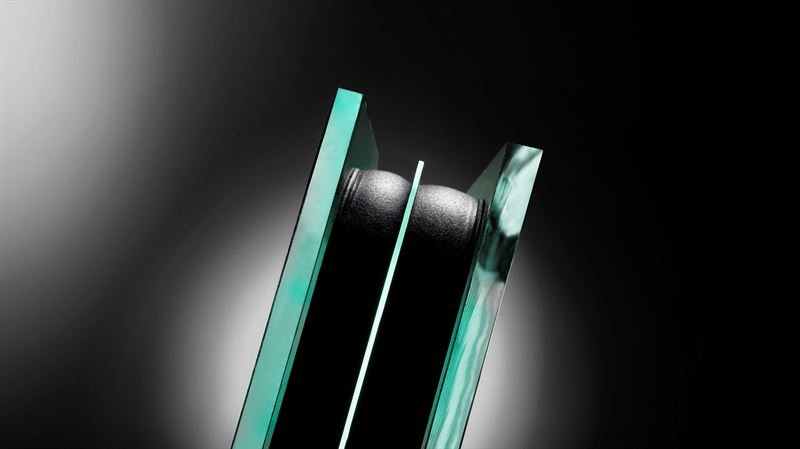
Vacuum glazing comprises two or more glass panes separated by a vacuum space, providing superior thermal insulation compared to conventional double or triple glazing. Its benefits include lightweight design, soundproofing, condensation resistance, and energy efficiency, making it well-suited for modern building applications.
The review details three main fabrication methods: solder glass (SG), vacuum chamber (VC), and pump-out (PO) edge sealing. Each approach varies in sealing temperature and complexity. SG sealing uses materials that expand at similar rates to glass, reducing stress but requiring high temperatures that can damage tempered glass. VC and PO methods operate under ultra-low vacuum conditions, but face limitations with outgassing and long-term moisture resistance, respectively.
Researchers are developing new sealants to address these issues, aiming for materials that offer both durability and compatibility with existing glass structures.
As conventional designs approach their performance limits, the study highlights emerging alternatives such as hybrid, multicavity, tinted, and photovoltaic (PV) vacuum glazing. These composite structures aim to improve thermal efficiency, regulate solar heat gain, and, in the case of PV variants, generate renewable electricity.

Thermal performance is typically measured using the U-value, with lower values indicating better insulation. Evaluation methods range from analytical and numerical modelling to experimental testing using hot box apparatuses. While lab tests offer precision, they are time-intensive. New indoor and outdoor rigs have been introduced to streamline the process.
Compared to traditional triple glazing filled with gas, hybrid and triple vacuum glazing achieve lower U-values with slimmer profiles. PV and tinted versions can modulate solar heat, further enhancing energy savings.
Climate plays a key role in determining effectiveness. Triple vacuum glazing performs best in cold regions, reducing heat loss during winter. In mixed climates, tinted glazing balances seasonal heating and cooling demands. PV glazing is particularly effective in sunny environments, simultaneously improving insulation and contributing to clean energy generation.
The study concludes that modified PO sealing shows the greatest promise among fabrication techniques, and that integrating vacuum glazing with other technologies could support the development of near-zero energy buildings.