

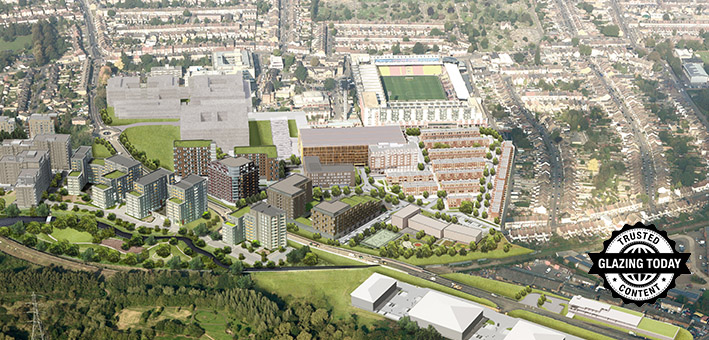


Kier Group, the FTSE 250 construction and infrastructure group, has told shareholders it will pull out of property development altogether from 2027, in a move that lands as yet another blow to the government’s already faltering housebuilding ambitions.
Announcing its full-year results to 30 June 2026, the company said there would be “no investment in new property development opportunities” from the 2027 financial year, with the capital instead going towards infrastructure and construction work and, above all, the balance sheet. The retreat from its property arm – which mostly operates through joint ventures developing commercial and residential sites – will be managed in a “controlled way to balance timing and value”, with existing schemes run down rather than abandoned overnight.
Chief executive Stuart Togwell framed the move as one of discipline rather than distress, saying the group was taking “important steps to strengthen and simplify the business”. It comes despite the property division growing revenues to £63m, up from £38m the year before, though operating profit there fell by roughly a quarter amid what Kier called wider macro-economic turbulence. The wider group fared better: net cash rose 13.9% year-on-year to £232m, and Kier is now targeting double-digit annual growth in earnings per share, betting its future on water, energy, defence and healthcare work rather than housing.
For Whitehall, the timing could hardly be worse. Kier’s announcement landed on the same day as housebuilder MJ Gleeson revealed it had abandoned a string of land purchases across Yorkshire and Greater Manchester, and only days after Housing Secretary Angela Rayner conceded there was now only a “slim chance” of hitting Labour’s target of 1.5 million new homes by the next election, blaming headwinds from the Middle East conflict and rising construction costs. The Home Builders Federation has separately warned the Office for Budget Responsibility that its housing forecasts look too optimistic without further support for first-time buyers. With a tier-one contractor stepping back from residential land altogether, ministers’ room for manoeuvre narrows further.
The knock-on effects will be felt down the supply chain, not least among the window and door manufacturers who depend heavily on new-build order books. Industry analysts have already flagged that fewer housing starts and slower build programmes mean demand tied to residential development is likely to stay subdued, even as commercial fenestration holds up comparatively better. Fabricators had been banking on a modest recovery, with forecasters expecting growth of 2–3% a year from 2026 as the market steadies — but that recovery now looks harder won if major contractors keep retreating from housing land rather than committing to it.
Why This Matters: This is the second major UK builder to announce it is withdrawing from the residential housing-building sector. It represents a significant blow for the Labour Government as it continues to falter on its promise to deliver 1.5m new homes during its first term in power. For the fenestration sector it means many suppliers will have to downgrade their expectations for delivery of windows and doors into new homes. Many will now turn their attentions to the RMI market – which could offer greater opportunities.