

VELUX has unveiled a new vacuum insulating glass technology for roof windows, in a move the company says will improve thermal and acoustic performance while cutting carbon emissions. Developed with Guardian Glass, the new product is designed specifically for roof windows, which VELUX said present greater structural and load challenges than facade glazing. The company said the technology is intended to support more sustainable buildings and improve indoor comfort.
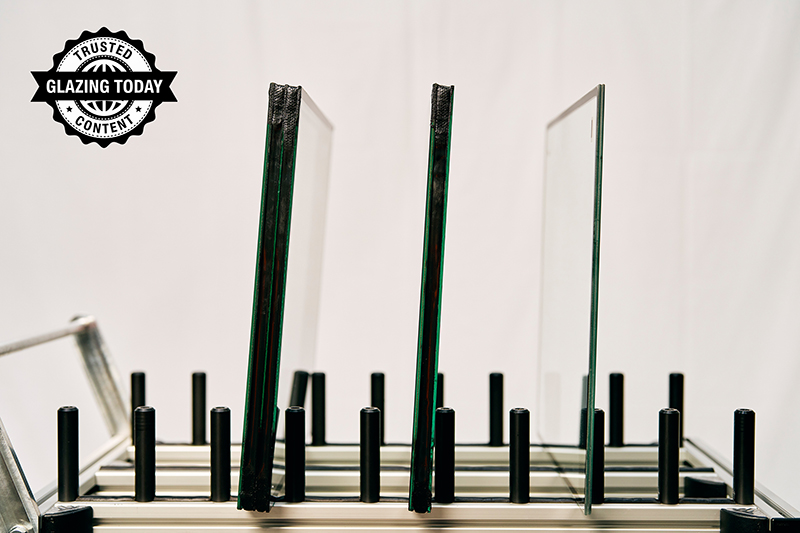
The system works by replacing the space between glass panes with a vacuum, rather than filling it with gases such as argon or krypton. According to VELUX, this sharply reduces heat transfer and allows the glazing to deliver the performance of triple glazing in a thinner and lighter construction.
A dotted pattern created by tiny spacers between the panes is a visible feature of the technology, although the company said this does not obstruct the view. VELUX plans to introduce the product in two forms: a single vacuum glazing solution and a hybrid version.
The single vacuum glazing variant uses an ultra-thin double-pane design that VELUX said can match the thermal performance of triple glazing. By removing the third pane, the unit is between 1.5kg and 5kg lighter per MK06 window, depending on the full window construction, which the company said should make installation easier.
VELUX said the insulating glass unit also has an approximately 30 per cent lower CO₂ footprint than comparable alternatives. A roof window fitted with the glazing reaches a Uw value of 1.0 W/(m²K), according to the company.
The reduction in thickness is also significant. VELUX said the new glass measures 11.5mm, compared with 26.4mm for standard double glazing and 38mm for standard triple glazing offering similar insulation performance.

The single vacuum glazing product is set to launch in 2026 in the UK and Ireland as part of the VELUX Heritage range. The company said this would help preserve architectural authenticity while improving thermal and acoustic performance.
VELUX is also introducing a vacuum hybrid version, which combines the vacuum double glazing with a third pane separated by a gas filling. The company said this delivers a Uw value of 0.83 W/(m²K) and sound insulation of 38dB, while also reducing carbon emissions.
According to VELUX, the hybrid solution cuts the CO₂ footprint by 5 per cent compared with a full roof window and by 12 per cent compared with the glass alone, while offering energy efficiency and acoustic comfort comparable to its IGU 67 glazing.
“We are very pleased to introduce this product innovation at DACH+HOLZ,” said Tina Mayn, executive vice president for products and innovation at the VELUX Group. She said the launch reflected the group’s commitment to sustainable construction and products designed to meet future thermal insulation requirements.
No launch date has yet been set for Germany. VELUX said it expects to expand the range into other European markets depending on project interest and availability.
Why This Matters: VELUX’s move matters because it applies vacuum glazing to high-volume roof windows, proving the technology can meet demanding performance, weight and carbon targets. That firmly signals vacuum glazing’s shift from niche specification to mainstream fenestration product development across Europe now. There is no doubt we will see vacuum glazing being adopted in more roof products such as lanterns and across slim fenestration products. It is set to be the next major development in glazing products for refurbishment and new-build projects across Europe.