
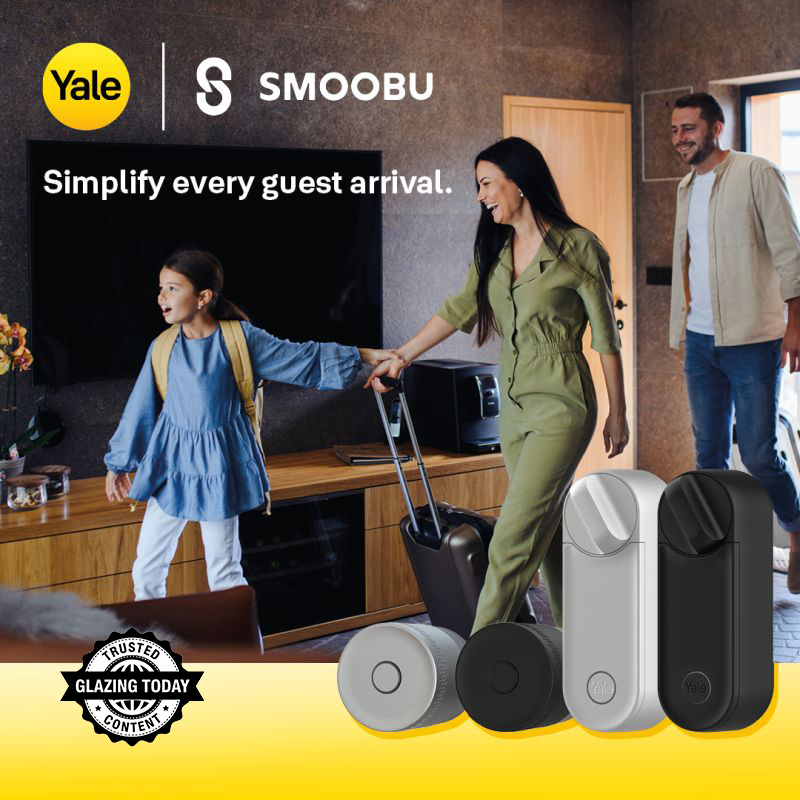

Yale has announced a partnership with holiday rental software company Smoobu, in a move it says will simplify guest check-ins and property access for hosts and managers across Europe. The smart lock brand said the integration will combine its access technology with Smoobu’s online check-in system, allowing property managers to generate and manage entry codes remotely for guests, staff and service providers. The aim is to reduce the need for physical key handovers and streamline arrivals.
The partnership centres on Yale’s Linus Smart Lock L2 and Linus Smart Lock L2 Lite, which will work with Smoobu’s platform to support automatic code generation and digital check-in. Yale said the system had been designed to make property management “simpler, smarter and more secure”.
Smoobu, which Yale described as an all-in-one vacation rental software provider used by hosts in more than 120 countries, will enable users to share personalised access codes with guests through its digital guest guide. According to Yale, the integration is intended to create a more seamless, contact-free arrival experience for travellers.
For hosts and property managers, the companies say the technology will allow remote locking and unlocking, instant code refreshes and oversight of property entry activity from a single platform. Yale said this would give independent hosts and professional managers greater control over who can access a property and when.
The companies also say the system could help staff working across multiple properties. Cleaners, maintenance teams and other service providers would be able to let themselves in and out as required, rather than relying on a physical handover of keys.
Yale said the arrangement would also simplify access for guests by allowing a single code to be used across different areas of a property, removing the need for multiple keys or entry codes.

The partnership reflects growing demand for automated check-in systems in short-term lets, where operators are increasingly looking for ways to reduce admin and offer more flexible arrivals. Yale said the combination of smart locks and digital guest management tools would help create a smoother first impression for guests while also improving day-to-day operations behind the scenes.
The company presented the tie-up as part of a broader push towards connected, remotely managed property access. It said users would be able to monitor lock performance in real time, helping ensure devices remain functional.
While the announcement focused on convenience and operational efficiency, Yale framed security as a central part of the offer. By replacing physical key exchanges with remotely managed access codes, the company said hosts could reduce risks while keeping tighter control over entry to their properties.
For holiday let operators, the pitch is straightforward: fewer manual tasks, more automation, and a check-in process designed to work for guests and staff alike.
Why This Matters: The broader shift towards connected, remotely managed property access is a natural progression for smart locking systems. While this launch is aimed at rental and holiday properties, the potential applications extend far beyond the short-term lets market. It also taps into growing demand for automated check-ins, offering a significant upgrade on traditional key-safe access. For property owners, the ability to monitor entry remotely is likely to be a key factor in the success of this innovation