

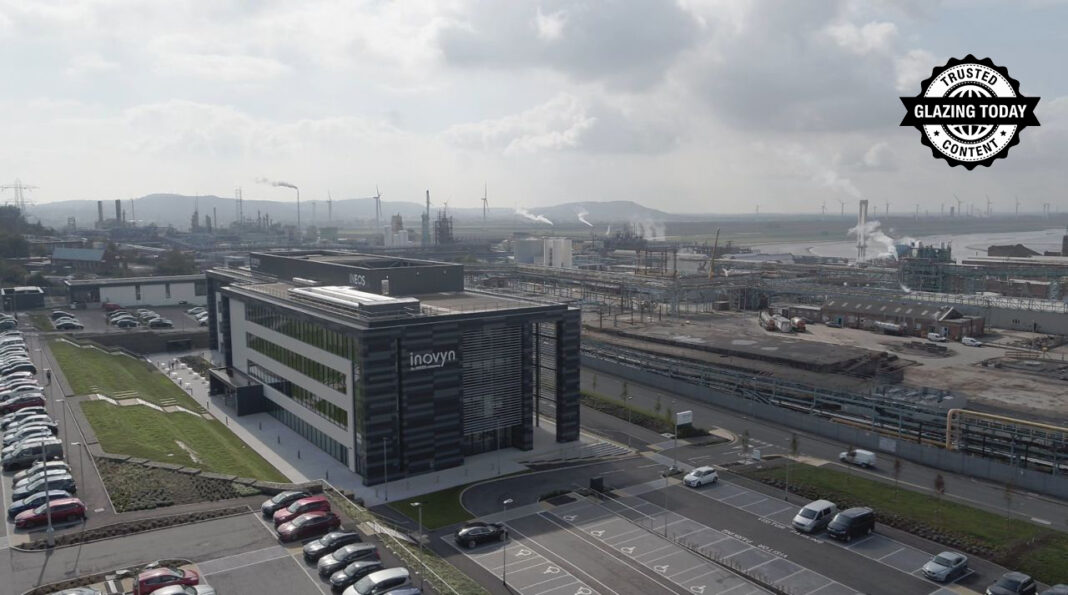


Sir Jim Ratcliffe’s Ineos has agreed to acquire the UK’s final ethylene dichloride (EDC) manufacturing facility, easing fears of disruption to a chemical supply chain that supports Britain’s window and door industry.
Ineos Inovyn, the group’s chlorvinyls business, said it will acquire the assets and employees associated with EDC production at the Runcorn site, as well as the remaining 50 per cent shareholding in Runcorn MCP Limited.
The assets are being bought from Vynova Runcorn, which collapsed into administration last year, putting jobs and downstream supply chains at risk. The transaction remains subject to regulatory approval.
The deal is particularly significant for the fenestration sector because EDC is a key upstream ingredient in the manufacture of PVC-U window profiles.
EDC is produced by combining ethylene with chlorine and is then heated to create vinyl chloride monomer (VCM). This is polymerised into PVC resin, which profile extruders melt and blend with materials including stabilisers and titanium dioxide before forming it into the multi-chambered profiles widely used in British homes.
More than 95 per cent of EDC is used in this production chain.

Had manufacturing at Runcorn stopped permanently, UK PVC producers and PVC-U extruders could have faced rapid supply disruption and greater dependence on imports.
That would have increased their exposure to overseas shipping costs, port delays, currency movements and geopolitical risks.
The intervention follows growing concern about the decline of Britain’s domestic chemical manufacturing base. In April, Glazing Today warned that the “UK’s chemical retreat should worry every manufacturer that still depends on it”, highlighting the vulnerability of downstream industries reliant on domestically produced chemicals.
The UK chemical sector has shrunk by 20 per cent over the past three years amid rising energy costs and carbon taxes, according to figures cited by the industry. Electricity prices have been running at up to four times those faced by competitors in the US.
Sir Jim has previously warned that Europe’s chemical industry faces “extinction” because of high energy prices and carbon tax bills.
Stephen Dossett, chief executive of Ineos Inovyn, said the Runcorn deal would help reinforce strategically important domestic supply chains.
“This acquisition is an important step in strengthening the UK’s national resilience,” he said.
Mr Dossett added that chlor-alkali and EDC-derived products are essential to drinking water purification and materials used in housing.
For Britain’s glazing manufacturers, the agreement reduces the immediate risk that another part of the domestic chemical supply chain could disappear, while keeping a fundamental raw material for PVC production in the UK.
Why This Matters: Ineos’s intervention matters because it turns an abstract warning about Britain’s shrinking chemical base into a concrete fenestration issue. Glazing Today’s April analysis argued that manufacturers were becoming increasingly exposed as domestic chemical capacity disappeared. Runcorn shows why. PVC-U fabrication may sit several stages downstream, but without EDC there is no VCM, no PVC resin and ultimately no profile. Keeping production in Britain therefore protects more than one plant: it preserves resilience across a much wider manufacturing chain. The deal does not solve the structural pressures facing UK chemicals, but it removes one serious vulnerability for window and door manufacturers.