

Aluminium prices have surged to near four‑year highs, piling fresh cost pressure on UK manufacturers of windows and doors and forcing a rethink of sourcing and pricing strategies. Benchmark futures are hovering around 3,600 dollars a tonne, up close to 50 per cent on the year, as a global supply squeeze collides with resilient construction demand.
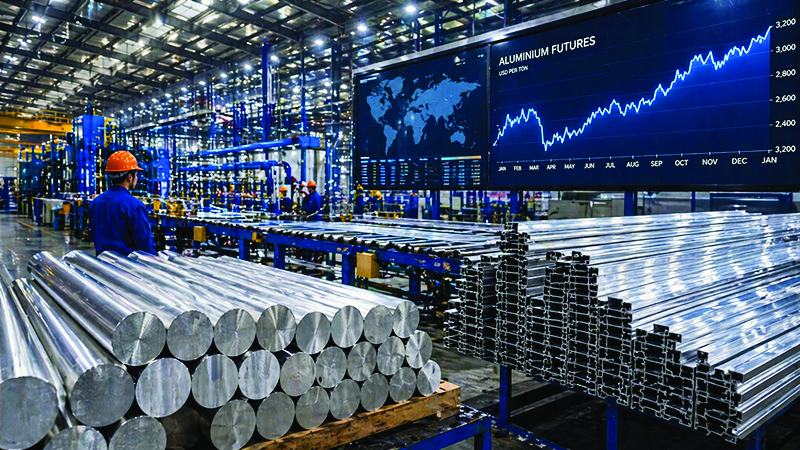
According to Trading Economics, aluminium was trading at about 3,602 dollars a tonne on 27 April, having climbed almost 5 per cent over the past month and nearly 48 per cent compared with the same period in 2025. World Bank data compiled by YCharts show the average global price at 3,373 dollars a tonne in March, up from roughly 2,658 dollars a year earlier. That shift marks a decisive break from the mid‑2,000s range that characterised much of last year and is already feeding through into higher billet and extrusion costs for UK fabricators.
The rally has been driven by a mix of geopolitical shocks and structural demand. Conflict in the Middle East has disrupted shipments through the Strait of Hormuz, a key route for Gulf smelters that together account for about 9 per cent of global aluminium output. Citi recently lifted its three‑month LME aluminium target to 3,600 dollars a tonne, warning that prices could reach 4,000 dollars in a bullish scenario after force majeure declarations by two Gulf producers tightened the market. At the same time, aluminium demand linked to infrastructure spending, low‑carbon power grids and electric vehicles has continued to grow, underpinning consumption even as traditional sectors such as packaging show signs of strain.
For UK construction, the implications are immediate. Extruded profiles used in windows, doors and façades typically track primary metal costs with a lag, and suppliers are already signalling mid‑single‑digit price increases on finished systems this quarter. Traders say premiums for physical metal have widened as stockists look to secure material ahead of the summer building season, particularly for high‑performance architectural systems where substitution to other materials is limited. “If prices stay above 3,500 dollars for long, you will see value engineering and, in some segments, a shift back to PVC‑U or steel,” said one UK‑based procurement manager.
Forward‑looking indicators suggest prices are unlikely to retreat quickly. Trading Economics’ macro models point to aluminium around 3,644 dollars a tonne by the end of the current quarter and just under 3,830 dollars in 12 months’ time, implying only modest easing from today’s levels. Other outlooks compiled earlier in the cycle had projected a much lower trajectory, closer to 3,100 dollars a tonne, but those forecasts have been overtaken by events as supply bottlenecks persisted. Analysts now see a broad trading range of 3,400 to 3,900 dollars a tonne over the coming year, with spikes towards 4,000 dollars possible if disruptions deepen or inventories erode further.

For UK profile manufacturers and their customers, that points to an extended period of elevated input costs. Buyers face a choice between locking in material via hedging and long‑term contracts or riding out a volatile spot market that shows few signs of normalising back below 3,000 dollars a tonne in the near term.
Why This Matters: The key point is that there are few signs prices will normalise back below $3,000 in the near term. As it stands, switched-on suppliers have been able to secure supply at earlier prices through long-term contracts. However, that supply will eventually run out and new contracts will need to be negotiated. At that point, the market across all levels of the supply chain will have to adjust prices for profile, finished windows and doors. It is a situation that shows few signs of easing.