


‘Labour’s record on teachers and homes shows why the prime minister’s conference pledges on landlords and first-time buyers deserve scepticism‘
Andy Burnham knows how to work a room. In Liverpool on Tuesday, in his first conference speech as prime minister, he won standing ovations for a crackdown on rogue landlords and a new “Your First Home” scheme to cut the deposits first-time buyers need. It was warm and ambitious. On the evidence of the past two years, it should also be taken with a generous pinch of salt.
Labour’s record on its headline pledges is instructive. Take the promise to recruit 6,500 new teachers, paid for by putting VAT on private school fees. Ministers now claim 4,654 of them. But the target quietly changed from “new expert teachers in key subjects” into a net headcount across secondary schools, special schools and FE colleges. Retained staff count, and the baseline predates the election. Meanwhile, the overall number of state school teachers fell by 1,900 last year. The Treasury still cannot say what the VAT has actually raised; ministers keep quoting forecasts from 2024.
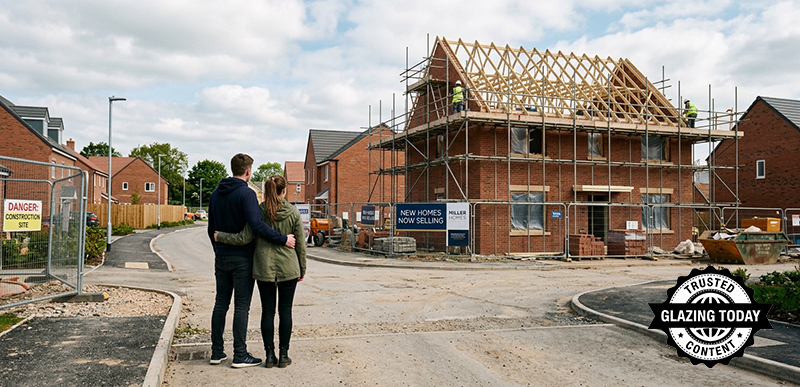
Housing is different. Labour promised 1.5m homes in England this parliament. By 20 September an estimated 437,900 had been delivered: 29% of the target, with 44% of the time gone. Annual supply has fallen rather than risen, and planning permissions dropped 12% in the year to June. This month the housing secretary, Angela Rayner, conceded there was only a “slim chance” of hitting it. Yet her department’s own appraisal figures had pointed to a shortfall of roughly 400,000 since March. That is the backdrop against which Tuesday’s promises should be judged.
The landlord pledge is the more intriguing. Burnham said owners of the worst rented homes would be warned to improve them. If they refused, councils would find it far easier to acquire the properties, with legislation to follow “if necessary”. For the refurbishment trades (window and door installers, roofers, insulation firms), enforced upgrades across a neglected private rented stock could be a real pipeline of work. The fenestration sector, which has endured a sluggish repair and improvement market, will be watching closely.
But the detail is missing. No money was attached, and cash-strapped councils have little capacity to buy and repair homes. Compulsory purchase is slow and contested. Until there is a bill, a budget and an enforcement regime, installers should not be hiring on the strength of an applause line.

“Your First Home” raises a different problem. Only in March, Steve Reed, then housing secretary, told housebuilders that a Help to Buy-style scheme was unwise given turmoil in the Middle East. Nothing on the supply side has improved since. New-build completions are stuck at about 144,000 a year. Stoking demand against flat output risks simply inflating prices, the charge levelled at the original Help to Buy.
Housebuilders are not in expansion mode. Listed developers issued eight profit warnings in the first half of this year. Berkeley and Barratt Redrow have paused land buying, and Vistry and Crest Nicholson have reported losses. The conflict in Iran has pushed up the cost of materials, from bricks to windows. Higher employer national insurance since April 2025 and persistent skills shortages have inflated labour bills. A deposit subsidy does nothing to repair builders’ margins; it may simply let them hold prices.
None of this means Burnham’s instincts are wrong. Better rented homes and a fairer route to ownership are worthy aims. But a government that has redefined one flagship target and all but abandoned another has forfeited the benefit of the doubt. Judge these pledges not by the ovation but by the legislation, the funding and, in two years’ time, the numbers.