


Innovations
INNOVATIONS +VOX: South Korean engineers unveil self-powered smart window to cut emissions and energy bills

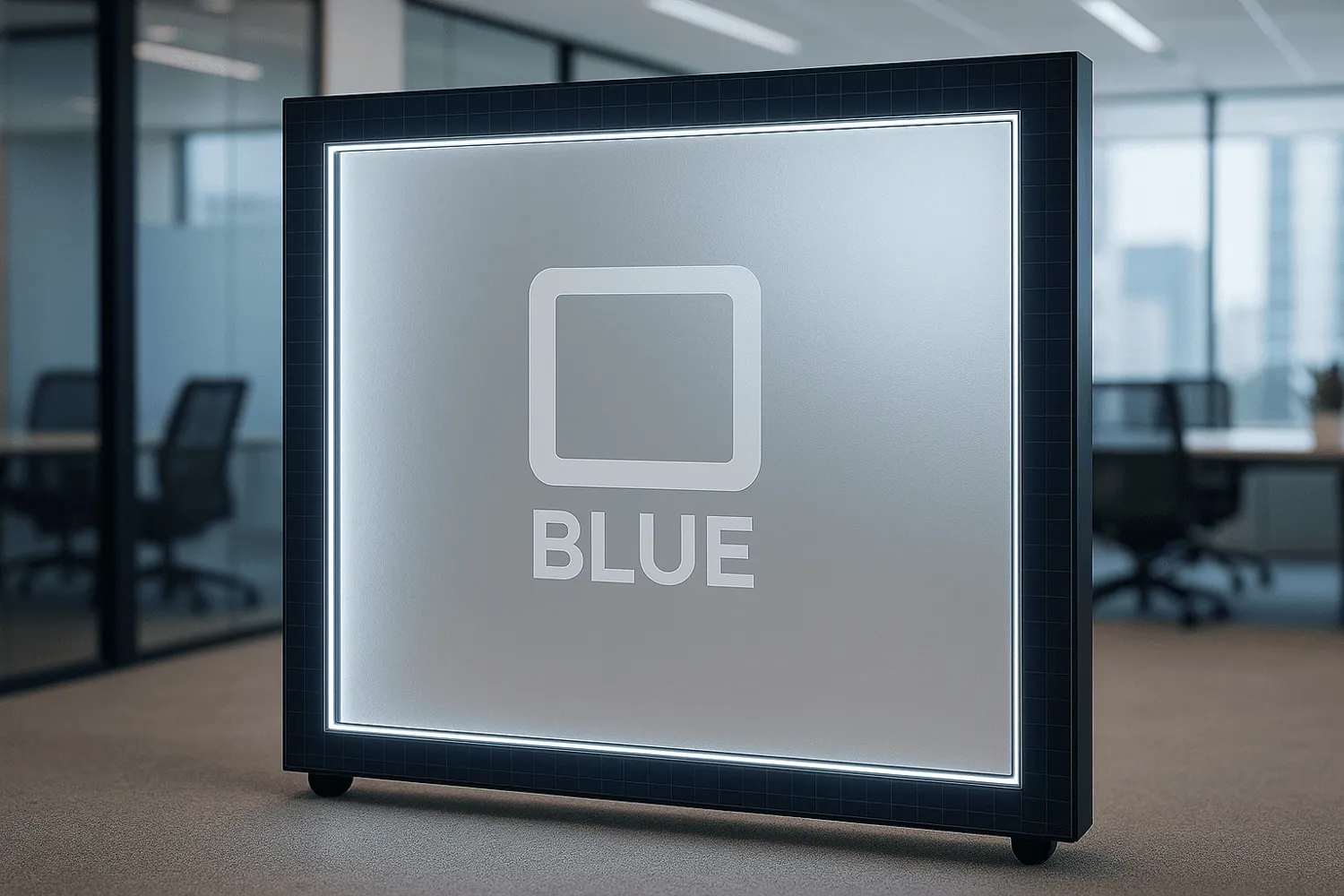
A self-powered smart window developed in South Korea could offer a low-cost, zero-emissions solution to one of the most energy-intensive aspects of modern living: regulating building temperatures. Created by KAIST spin-off Blue Device, the new window technology replaces conventional smart glass systems with an autonomous alternative that operates without external electricity, wiring or chemical maintenance. The breakthrough could help buildings cut energy use by up to 40 per cent, according to the company.
Heating and cooling are responsible for a major share of global energy demand, with windows a significant source of thermal inefficiency. Traditional smart glass, while offering adjustable transparency and heat control, has often proved too complex or costly to install at scale, requiring hardwiring and specialised films that degrade over time.
Blue Device’s Nanoparticle Solar Smart Window sidesteps these challenges. It uses embedded solar cells to generate power and can even charge from indoor lighting, eliminating the need for a grid connection. Its smart functions are enabled by a proprietary nanoparticle liquid inside the glass, which modulates heat and light based on environmental conditions. The company claims that the new window dramatically reduces both emissions and cost, with no loss of performance over its lifespan. Installation costs are reportedly cut by more than half due to the absence of wiring or structural modifications.
The innovation was recognised at CES 2026 as an Innovation Awards Honoree in the Sustainability and Energy Transition category. A spokesperson for Blue Device said: “Until now, smart glass has been more promise than practice. We’ve eliminated the wiring, cut the cost, and made something that just works—with no trade-off in performance or sustainability.”
The window’s scalable design could make it suitable for a wide range of applications, from commercial developments to off-grid housing in remote or developing regions. Its low-maintenance, plug-and-play appeal may also prove attractive to retrofitting projects where cost or disruption has previously been a barrier.
Efforts to improve building efficiency are intensifying amid global climate targets. Buildings account for around 40 per cent of global energy consumption, with a large portion of that lost through poorly insulated windows.
Why This Matters: This was one of the standout innovations from CES. It has broken down a number of the key restrictors to commercial success and adoption of solar powered windows. The hope is now the funding and interest in this innovation will result in this version being taken to market. The demand exists. Now the production viability and cost needs close inspection.