


Viewpoints
Viewpoints: British fenestration manufacturing giants fall amid industry restructuring woes

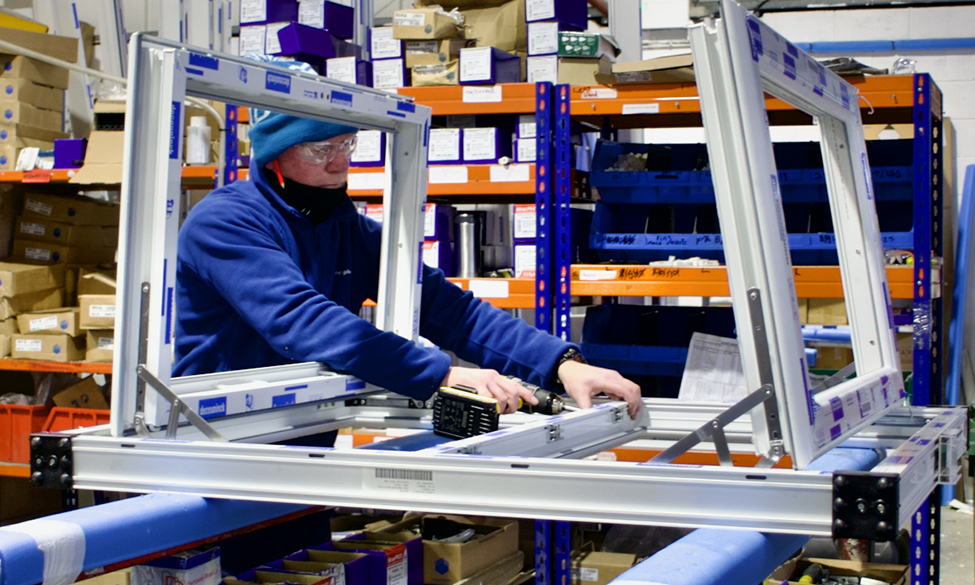
As 2024 draws to a close, the fenestration industry has faced significant upheaval, with two household names ceasing operations. These closures, driven by a combination of economic pressures and strategic restructuring, underscore the immense challenges faced by the sector in a turbulent market landscape.
In November, Dempsey Dyer, a trade fabricator with a proud 47-year legacy, announced its closure. The company’s Managing Director, Peter Dyer, described the decision as heart-wrenching but unavoidable.
“After 47 years, Dempsey Dyer ceased trading on the 29th of November. The decision has been incredibly difficult to make, but in the end, we sadly had no choice,” Dyer said. Despite the circumstances, he extended heartfelt gratitude to his team, suppliers, and customers who supported the business over the decades.
Reflecting on the closure, Dyer highlighted the support of employees who remained steadfast until the end. However, he also issued a call to action, urging businesses to consider hiring his skilled former staff. “We have talented team members still searching for employment, so please reach out if you can help,” he said.
Barely weeks later, the Customade Group delivered another blow to the industry with the announcement that its door business, Virtuoso, would cease trading. While the Group successfully sold off key brands—Polyframe, Stevenswood, REAL, and Atlas—preserving over 80% of its workforce, Virtuoso was not included in the transactions.
Customade Group CEO Will Gold explained that these measures were necessary to stabilize the company amid contracting market conditions and mounting financial pressures. “Over the past two years, the market for our products has been contracting, and we’ve witnessed numerous businesses within our sector struggle and ultimately go into insolvency,” Gold said.
The Group’s restructuring included operational changes aimed at cost-cutting and enhancing service efficiency. Yet, the closure of Virtuoso and additional redundancies within certain Stevenswood branches and support roles underscored the harsh realities of their financial predicament.
“I am pleased that through these transactions we have been able to secure so many jobs,” Gold said. “But I am deeply disappointed that we were unable to preserve the Virtuoso business and avoid other staff redundancies.”

Industry Reaction: Leadership Under Fire
The news sparked contrasting reactions from industry leaders. Steve Lane, Director of The Best Window and Door Company, criticized what he called a “defeatist attitude” among top executives.
“The market might have been contracting, but you needed to increase your market share—it’s that simple,” Lane asserted. He outlined a proactive strategy focused on targeting dormant accounts, leveraging existing client bases, and exploring new sectors such as commercial and new-build markets.
Lane’s perspective contrasted sharply with Steve Darkins, Director of Design Windows and Doors, who advocated for failing businesses to close decisively. “It is time for these companies with no hope of a future to do the right thing and close their doors for good. They give the industry a bad reputation,” he said.
Navigating a Challenging Year
The fenestration industry has faced relentless pressures in 2024. Historic debt, rising material and labor costs, increased taxation, and subdued demand have pushed many businesses to the brink. Despite these challenges, some industry insiders remain optimistic about the potential for adaptation and growth.
As Lane pointed out, businesses must embrace change—both internally and externally—to meet the evolving needs of customers. Whether through reshaped strategies, improved management practices, or bold market expansion, the path forward will demand resilience and innovation.
For now, the closures of Dempsey Dyer and Virtuoso serve as a sobering reminder of the stakes. Yet, they also underscore the critical importance of adaptability in ensuring a sustainable future for the fenestration sector.
Why This Matters: The close of 2024 has proven especially challenging for many within the UK fenestration industry. Large-scale manufacturing businesses often face mounting pressures as the trade slows to a halt over Christmas. With many installers downing tools for several weeks—often not resuming work until mid-January—fabricators are left grappling with fixed costs at a time when revenue dips to a trickle.
This year, those burdens have been exacerbated by rising energy costs and the relentless increase in raw material prices. For companies like the Customade Group, which has been striving to recover from prior management and operational issues, the financial strain is compounded by the high cost of refinancing historic debt.
The closures of Dempsey Dyer and Virtuoso are undoubtedly a blow to the industry, marking the loss of two long-established and respected brands. However, when businesses become unviable, difficult decisions must be made. Closing the doors, while painful, is often the right course of action.
It is to be hoped that the talented individuals affected by these closures will find opportunities elsewhere in the sector. Historically, the fenestration industry has struggled with overcapacity, and the loss of these businesses may ultimately serve as a market correction, helping to bring the supply chain into better alignment with demand.
As the sector moves into 2025, the challenges remain daunting. Yet, there is room for optimism— where resilience and innovation prevail, opportunities for growth and stability can still emerge.