

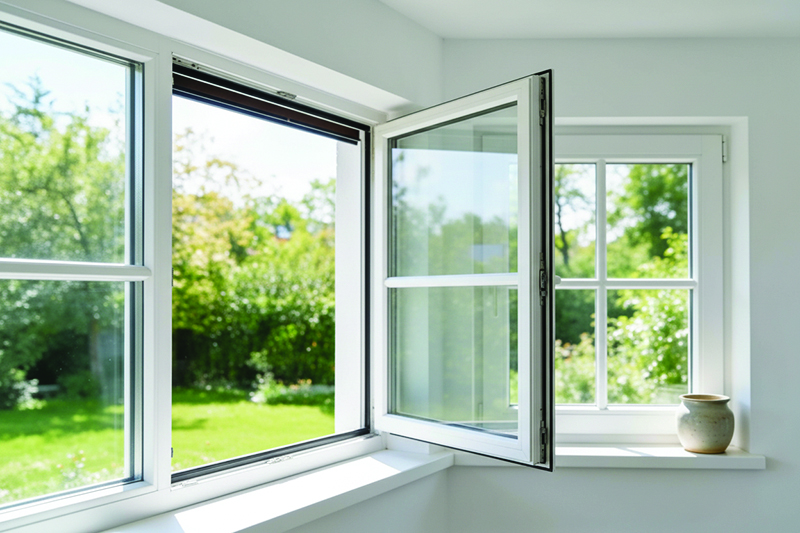

A recent conversation with a UK fenestration expert yielded a blunt assessment: the tilt-and-turn window market is “as old as the hills” yet has never achieved meaningful penetration in Britain. Even as these frames begin appearing in British product catalogues, few in the window trade expect them to displace the country’s long-standing preference for outward-opening designs. Manufacturers and installers point to a market shaped less by novelty than by decades of quiet resistance—a story of history, regulation and habit that continues to favour sash and casement windows.
The weight of housing stock matters. Victorian and Georgian homes still set the tone for large parts of the UK streetscape, with sash windows widely regarded as a defining feature. Roughly one in six homes dates from the Victorian era, reinforcing expectations among planners and homeowners alike. Casement windows, introduced later, became the default for suburban and post-war construction, embedding outward-opening hardware across decades of building. Against that backdrop, inward-opening systems face resistance from buyers wary of altering period character or unsettling familiar design cues.
That legacy is mirrored in supply chains. For years, tilt-and-turn windows were little known in Britain, leaving profile ranges, hinges and handles centred on casement systems. Fabricators and installers built their workflows around those products, training staff to fit them quickly and at low cost. While tilt-and-turn hardware has expanded from a small base, casements still account for the bulk of volume, giving them a pricing edge that remains difficult to challenge, particularly at the lower end of the market.
Inside the home, practical concerns also play a role. Tilt-and-turn windows suit continental apartments, where inward-opening sashes work alongside shutters and external screens. In many British kitchens and terraced houses, the same movement can clash with worktops, blinds or everyday items on window sills. Industry guidance often notes these trade-offs, especially for retrofits in tighter spaces.
Regulation adds another layer. Tilt-and-turn systems can meet strict requirements on insulation and security, fitting neatly within a window and doors market expected to continue expanding this decade. Yet extra hardware and specialist installation tend to push prices above basic casements. In a period marked by household cost pressures, that premium narrows the audience.
The result is a split future. Tilt-and-turn windows are gaining ground as a higher-specification choice, but few expect them to replace Britain’s outward-opening mainstay. Instead, they are likely to sit alongside sash and casement windows, which remain deeply rooted in the country’s buildings and buying habits.

Why This Matters: The UK fenestration market owes much to its German counterpart, yet one key innovation never made the crossing. Tilt-and-turn windows dominate PVC-U installations across Germany and have gained serious ground in the aluminium sector too. So why have British buyers remained stubbornly indifferent? Are they missing a trick, or is there something deeper at play? Scratch beneath the surface and a host of practical reasons emerge—all pointing to the same conclusion: in Britain, tilt-and-turn will likely remain a niche.