

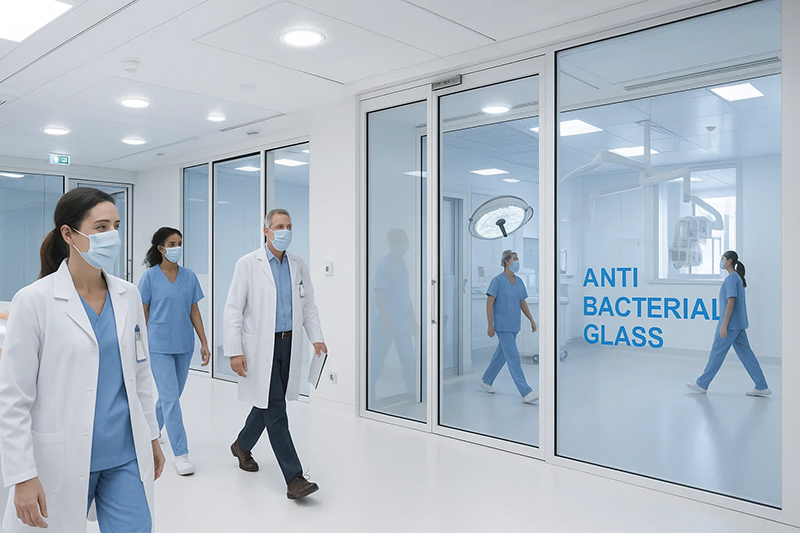

The global market for antibacterial glass is poised for significant expansion, with projections indicating a rise from USD 289.54 million in 2024 to an impressive USD 588.34 million by 2034. This growth, at a compound annual growth rate (CAGR) of 7.36 per cent from 2025 to 2034, underscores a burgeoning demand for materials that actively inhibit the spread of harmful microorganisms.
At its core, antibacterial glass integrates agents such as silver ions, copper compounds, or titanium dioxide coatings. These additives are engineered to prevent the proliferation of bacteria and other microbes, offering a stark contrast to conventional glass surfaces that can readily harbour germs. Crucially, this specialised glass maintains the transparency, durability, and aesthetic appeal of standard glass, making it a versatile solution for a hygiene-focused world.
The driving force behind this market surge is multifaceted. A heightened global awareness of health and hygiene, exacerbated by recent health crises like the COVID-19 pandemic, has led to an increased emphasis on infection control. This is particularly evident in healthcare facilities, where antibacterial glass is being adopted to minimise bacterial transmission on frequently touched surfaces. Beyond clinical settings, businesses and consumers are increasingly prioritising environments that promote health safety, creating a broader demand for these advanced glass solutions.
Technological innovation is also a key propeller. Continuous advancements in antimicrobial coatings have rendered antibacterial glass more effective and durable. Nanotechnology, for instance, is enabling the development of ultrathin coatings that deliver powerful antibacterial effects without compromising clarity. Furthermore, manufacturers are exploring multifunctional glass, combining antibacterial properties with features like UV protection, scratch resistance, and even self-cleaning capabilities.
Regulatory support further bolsters market expansion. Governments and authorities worldwide are actively encouraging the adoption of antimicrobial materials in public infrastructure as a measure to curb infection risks. This regulatory push, combined with a growing consumer demand for safer products, is incentivising manufacturers to innovate and broaden their antibacterial glass offerings.
Looking ahead, several emerging trends are shaping the market’s trajectory. The integration of “smart” and responsive surfaces is a notable development. Researchers are developing glass embedded with sensors or coatings that can visually signal microbial contamination levels. This real-time monitoring promises to enhance proactive maintenance, reduce infection risks, and streamline cleaning protocols.

Sustainability is also gaining traction, with a shift towards eco-friendly coatings. Traditional antibacterial glass can sometimes utilise metals or chemicals with potential environmental impacts during production or disposal. In response, the industry is exploring greener alternatives, including biodegradable or less toxic materials like plant-based compounds or sustainable silver nanoparticles, aiming for improved effectiveness with a reduced ecological footprint.
Moreover, there is a growing demand for customised solutions tailored to specific industries. Pharmaceutical manufacturing facilities, for example, require glass surfaces that not only inhibit bacterial growth but also resist chemical corrosion from cleaning agents. Similarly, the hospitality sector seeks antibacterial glass that combines enhanced aesthetics with the durability required for frequent handling and diverse design preferences.
The applications of antibacterial glass are already diverse and continue to expand. In healthcare, it is indispensable in operating rooms, intensive care units, and patient wards, as well as in medical devices and monitor screens. The food processing and packaging industries utilise it for inspection windows and display panels to prevent contamination. Even consumer electronics, from smartphones to ATMs, are incorporating antibacterial glass to reduce microbial loads on frequently touched touchscreens.
In conclusion, the antibacterial glass market is poised for robust growth, driven by a confluence of rising hygiene consciousness, relentless technological progress, and broadening applications across various sectors. As businesses and individuals increasingly prioritise safer environments, antibacterial glass is set to become an ever more critical material, safeguarding health while maintaining the aesthetic and functional integrity of glass surfaces globally.