


Intelligence
INTELLIGENCE: UK housebuilding urged to accelerate energy-efficient, low-carbon construction practices

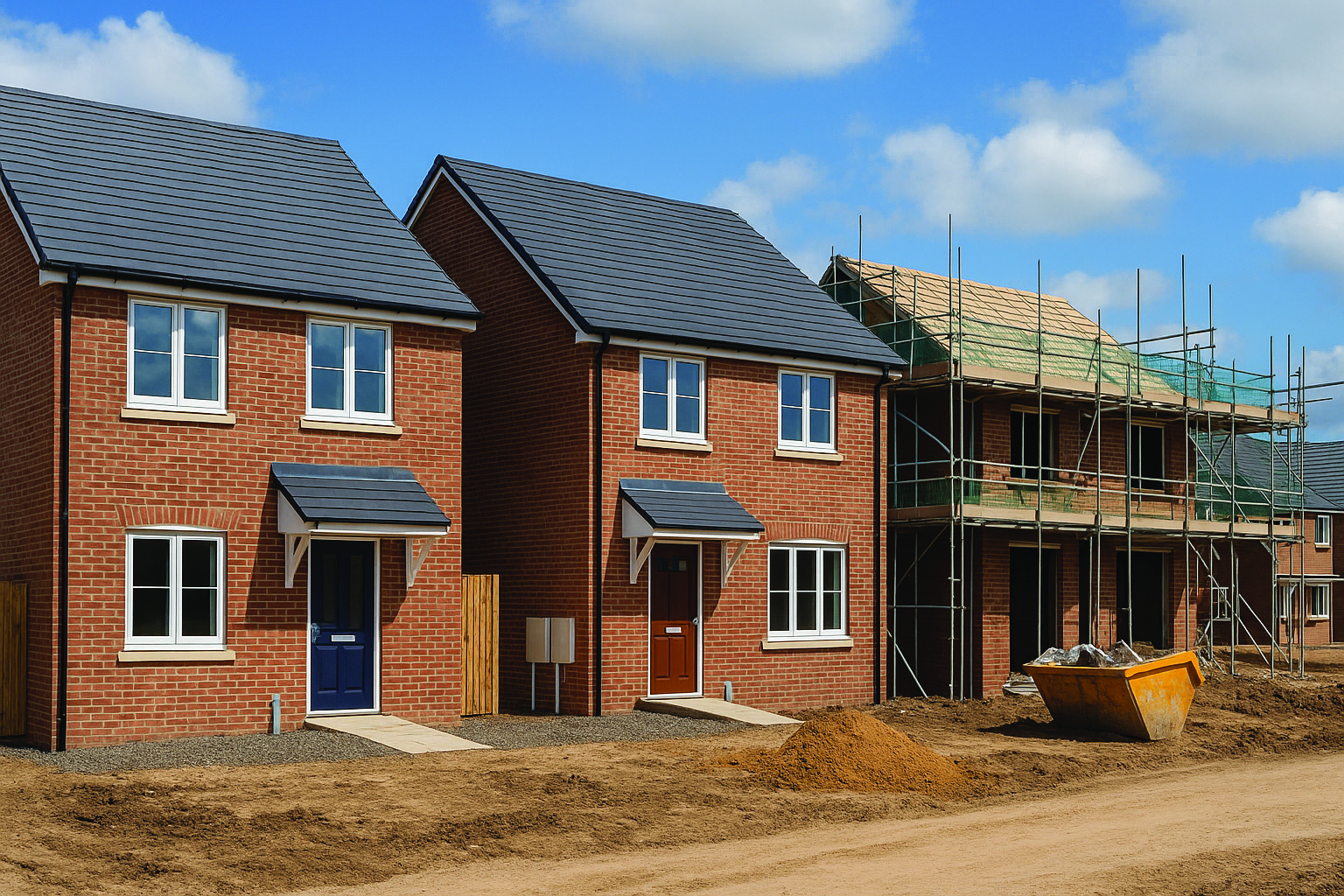
The UK’s domestic housebuilding industry is heading into a decisive decade, yet progress on sustainability is faltering at the very moment it needs to accelerate. The latest Sustainability Report from the Royal Institution of Chartered Surveyors paints a picture of rising awareness but limited transformation, particularly in the areas that matter most for new homes: energy performance, whole-life carbon and resilient design.
For a housing sector grappling with leaky building fabric and soaring energy costs, the findings land with weight. Ensuring homes are highly energy efficient and have very low operational carbon is seen as a “critical issue” by the majority of respondents in the UK, yet the report reveals a widening gap between intention and implementation.
This tension is especially relevant to the glazing and window industry, where thermal performance and airtightness are central to cutting operational energy use. Occupiers place overwhelming importance on energy efficiency — 88% cite it as a top priority — along with indoor environmental quality, ventilation and comfort.
These concerns are impossible to address without high-performance building envelopes, modern glazing systems and installation practices that minimise heat loss. A future-proof home simply cannot be delivered if fabric performance lags behind.
Yet the report makes clear that the construction sector’s broader sustainability tools are still under-used. Around 46% of construction professionals globally are not measuring carbon emissions on their projects, and only around 16% say carbon assessments significantly influence material choice.
That has profound implications for window and glazing specification, where embodied carbon varies widely depending on frame materials, manufacturing processes and glass types. Without consistent measurement, decisions that could materially reduce a home’s lifetime emissions go unexamined.
Skills gaps also remain a persistent obstacle. The report notes that only a small proportion of UK respondents feel “very familiar” with practices for reducing whole-life carbon.
This mirrors challenges across the building fabric industries, where installers, surveyors and designers often lack training in low-carbon materials, thermal bridging, airtightness and the handling of advanced energy-efficient glazing systems. With the Construction Industry Training Board estimating the UK will need 350,000 new roles to meet net-zero goals, the skills shortage now looms as a central barrier.

The report also highlights a mismatch between what residents value and what investors prioritise. Occupiers care most about how a building performs day to day — thermal comfort, air quality, energy bills — areas where glazing plays a frontline role. Investors, meanwhile, place more value on certification and climate-resilience features.
For housebuilders, this creates a tension: homes must achieve strong operational performance without relying solely on certification to satisfy financial stakeholders.
Beyond energy efficiency, the wider sustainability pressures mapped in the report are equally relevant to fenestration. Waste reduction and low-carbon materials rank among the most critical concerns for the sector, and window systems are a major component of both. Nearly half of global respondents list reducing waste and using sustainable materials as a top priority, with UK sentiment even higher.
Aluminium, timber and PVC-U frames all carry very different embodied-carbon profiles, recyclability prospects and circular-economy potential — issues the report suggests are gaining traction but are still far from truly embedded in project workflows.
Climate resilience, another area highlighted by RICS, also has a glazing dimension. Overheating risk is rising sharply in UK homes, and high-spec glazing, shading strategies and smart ventilation are increasingly essential to mitigate extreme heat. Yet fewer than half of UK respondents believe that adaptation and resilience are treated as critical by stakeholders.
RICS argues that stronger policy frameworks will be vital. But confidence in government regulation is mixed, with only around half of UK contributors believing current policies are steering the industry towards lower emissions.
The delay of the Future Homes Standard, combined with inconsistent guidance on embodied carbon, has left suppliers and housebuilders uncertain about the scale and speed of change — a barrier the report urges policymakers to remove.
Its recommendations are clear: mandatory carbon reporting aligned to global standards, performance thresholds for emissions, new financial mechanisms for energy-efficient retrofits, and accelerated skill-building across the sector. The glazing industry — with its mix of high-impact materials, central role in energy performance and clear opportunities for circularity — stands to be a decisive player in each of these shifts.
What emerges from the report is neither alarm nor optimism, but a sharply drawn crossroads. Britain’s next generation of homes must be warmer, cheaper to run and far lower carbon than the last. Whether the industry can deliver depends on bridging the gap between knowledge and action, and on treating windows, glazing and the wider building envelope not as optional enhancements, but as the foundations of genuinely sustainable construction.
Why This Matters: The report underlines a pivotal moment for UK fenestration, where glazing performance, embodied carbon and installation quality become non-negotiable drivers of sustainable housebuilding. It signals urgent demand for higher-spec products, consistent carbon measurement and a major upskilling push across the window and door supply chain.