


Viewpoints
VIEWPOINTS +VOX: Understanding the rationale behind the UK’s Warm Homes plan

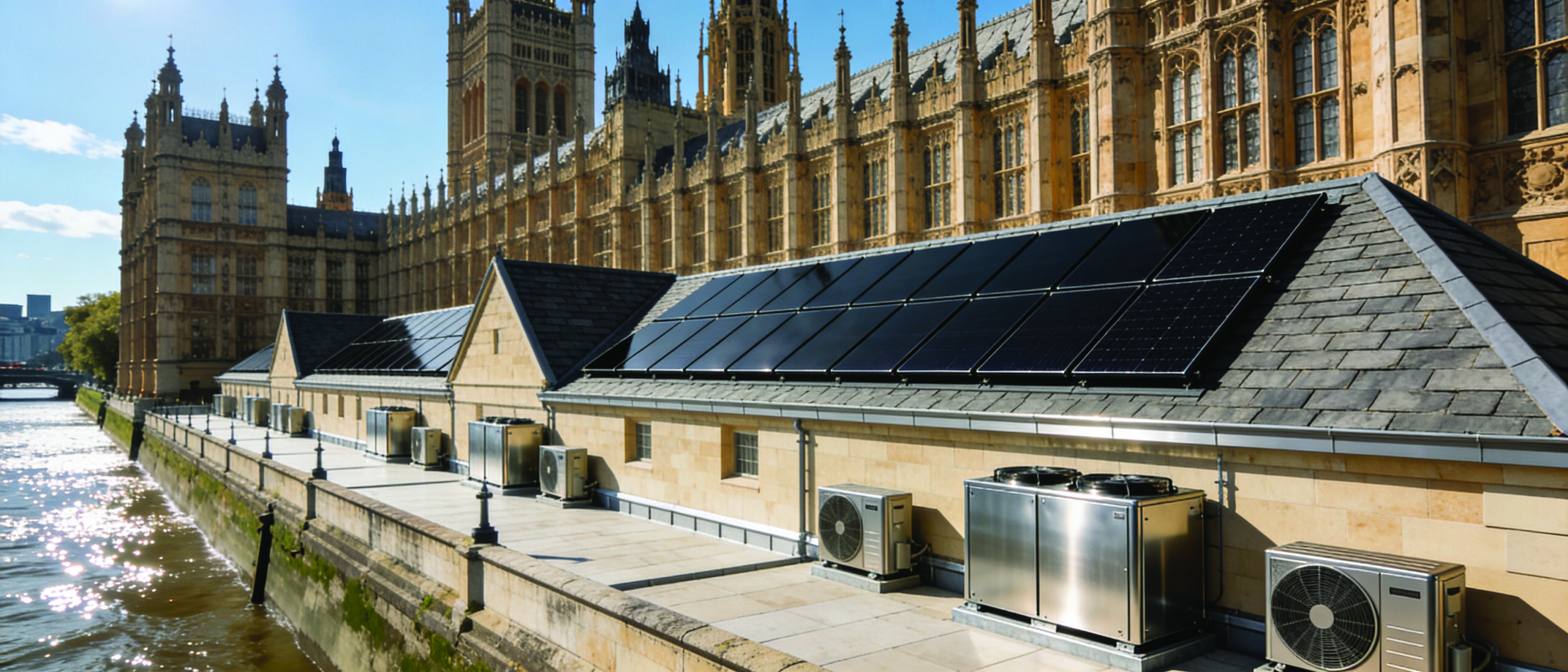
The UK’s fenestration industry has voiced strong disappointment at what it sees as its exclusion from the Government’s latest energy efficiency strategy, warning that an overwhelming focus on heat pumps risks overlooking the poor condition of Britain’s housing stock.
Senior figures from across the sector have criticised the Department for Energy Security and Net Zero (DESNZ) for prioritising low-carbon heating technologies over measures to reduce heat loss, particularly through windows and doors. They argue that installing advanced heating systems in homes that are poorly insulated is counter-productive, especially given repeated descriptions of the UK’s housing stock as among the worst in Europe for energy efficiency.
Industry representatives say a “fabric first” approach, beginning with improvements to windows and doors, should be central to any credible energy security plan. Without this, they warn, efforts to cut emissions and household energy bills will fall short.
Frustration has been compounded by what the sector describes as years of unproductive engagement with policymakers. Despite presenting what it says are evidence-based arguments for more than a decade, some figures believe the industry continues to be viewed with suspicion. One senior voice questioned whether government still regards the double-glazing sector as “dodgy”, a perception they say no longer reflects the modern industry.
The absence of specific funding streams or prominent references to glazing in recent policy documents has heightened concerns, leading some to question whether current lobbying tactics are effective or whether a more forceful approach is now required.
Industry bodies acknowledge that dealing with government can be complex, with responsibilities spread across multiple departments. Engagement with organisations such as the Ministry of Housing, Communities and Local Government and the Building Safety Regulator is described as constructive, but DESNZ is seen as operating differently.
The department has undergone recent changes, with Ben Rimmington replaced as director general and Martin McCluskey appointed Minister for Energy Consumers last year. At a recent All-Party Parliamentary Group meeting, Mr McCluskey recognised industry concerns and urged stakeholders to “keep pushing, keep engaging”. That message was met with scepticism by some attendees, who argued that years of engagement had produced limited progress.
The Government’s direction is set out in its warm homes plan, which emphasises electrification through heat pumps, solar PV and battery storage. This aligns with manifesto commitments on fuel poverty and housebuilding, alongside a target of installing 750,000 heat pumps a year. Current delivery is reported to be around 10 per cent of that level, but ministers continue to frame clean, electric heat as central to energy security amid global oil and gas instability.

Some funding opportunities do exist. The Warm Homes Plan local grant scheme, backed by £500m, allows for double and triple glazing in fuel-poor households, with grants of up to £15,000 per property, subject to income and Energy Performance Certificate criteria.
Elsewhere, different approaches are emerging. The Republic of Ireland has introduced grants of up to €4,000 for windows in detached homes, while Scotland and Wales are seen as more open to fabric-based measures.
Looking ahead, the UK fenestration sector plans to step up its media and communications efforts, aiming to ensure that both policymakers and installers are more aware of its role in delivering long-term energy efficiency.
Why This Matters: When the thinking behind the Warm Homes Plan is examined, it becomes clear that the government is primarily focused on energy security. Given instability in global gas and oil markets, the rationale is understandable. However, around 40 per cent of the UK’s electricity is still generated from fossil fuels, and the widespread installation of heat pumps will increase demand for power. While heat pumps are more energy-efficient, electricity is often more expensive per unit than gas, which can result in higher running costs than those of a modern gas boiler. Despite the clarity of the agenda, there remains a need for a better understanding within government of the importance of reducing energy loss from buildings, particularly given that the UK has some of the least energy-efficient housing stock in Europe.