

Recent media reports highlighting alleged compliance failures in imported Chinese aluminium windows and doors have sparked renewed discussion across Australia’s building industry around product testing, compliance and local manufacturing capability.
An investigation published by News Corp mastheads last week reported that independent testing of imported aluminium and glass windows found “frightening” failures, including major water leaks and frames collapsing during simulated storm conditions.
According to the reporting, seven out of eight tested window systems “did not meet the minimum standards for residential use in Australia”, with some products reportedly failing structural strength tests and potentially “blowing out of the frame under strong storm winds”.
The testing, commissioned by Ventora and conducted by an accredited independent third-party facility, was described by VENTORA CEO Scott Kelly as “quite frightening”.
“When I saw the results, it wasn’t just a matter that they just didn’t pass, they were so far away from meeting Australian standards that it was quite frightening,” Mr Kelly told The Daily Telegraph.
The Australian Glass and Window Association CEO Clinton Skeoch also described the footage as “confronting”, warning that the failures “should be concerning to both governments and homeowners around the country”.

The reports have coincided with increasing scrutiny around imported fabricated aluminium windows and doors entering the Australian market and an ongoing Anti-Dumping Commission investigation into imports from China.
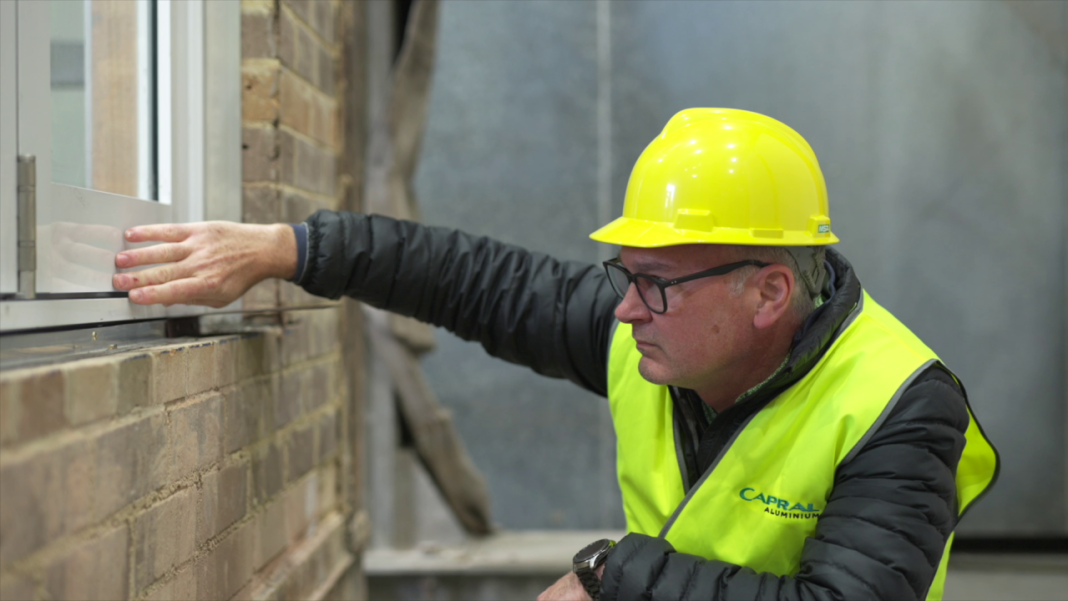
For Capral Aluminium , Australia’s largest extruder and distributor of aluminium products, the discussion reinforces the importance of designing and testing systems specifically for Australian conditions.
Barry Lunn, Divisional General Manager Building Systems at Capral Aluminium, said the recent reporting highlighted why system testing and compliance should never be treated as optional.
“Australian conditions are unique. Our products need to perform through high wind loads, driving rain, extreme UV exposure, bushfire conditions and a wide range of environmental conditions,” Mr Lunn said.
“That is why proper system design, local engineering, accredited testing and ongoing compliance are so important.”
Mr Lunn said Capral has spent decades developing and refining locally designed window and door systems specifically for Australian residential and commercial applications.
“Capral has been manufacturing aluminium extrusions in Australia for 90 years and developing window systems right here since the 1940s. Our systems have been developed specifically around Australian Standards, Australian conditions and the expectations of the local building industry,” he said.
Through its AGS Commercial, Artisan and Urban residential systems, Capral offers one of the country’s most comprehensively tested aluminium window and door system portfolios, supported by national technical and specification teams.
Systems are tested for structural performance, water penetration, air infiltration, acoustic performance, energy efficiency and bushfire compliance to support compliance with the National Construction Code and relevant Australian Standards. Capral also offers lower-carbon aluminium as standard across its window systems range and is Australia’s only Aluminium Stewardship Initiative certified extruder, providing transparency and confidence around responsible supply chain practices. Supporting this further, Capral’s systems are backed by Declare labels to assist architects, designers and specifiers seeking greater material transparency and sustainability documentation.
Mr Lunn said the discussion also highlighted the broader value of local manufacturing and established Australian supply chains.
“When you work with a long-standing Australian supplier, you are not simply buying an aluminium window or door,” he said.
You are buying decades of local technical knowledge, tested systems, engineering support, fabrication support and accountability.”
Capral currently operates six aluminium extrusion manufacturing facilities and more than twenty-five distribution locations nationally, supporting an extensive network of Australian fabricators, distributors and project partners.
The company says maintaining strong local manufacturing capability remains critical for quality assurance, compliance confidence and long-term industry sustainability.
“Local manufacturing gives Architects, builders, fabricators and homeowners confidence,” Mr Lunn said.
“They know the systems have been designed for Australian conditions, tested to Australian requirements and backed by a company that has been supporting the building industry for generations.”